December 2025 - Study Visit in Oslo: Learning from Norway’s Entrepreneurship Ecosystem
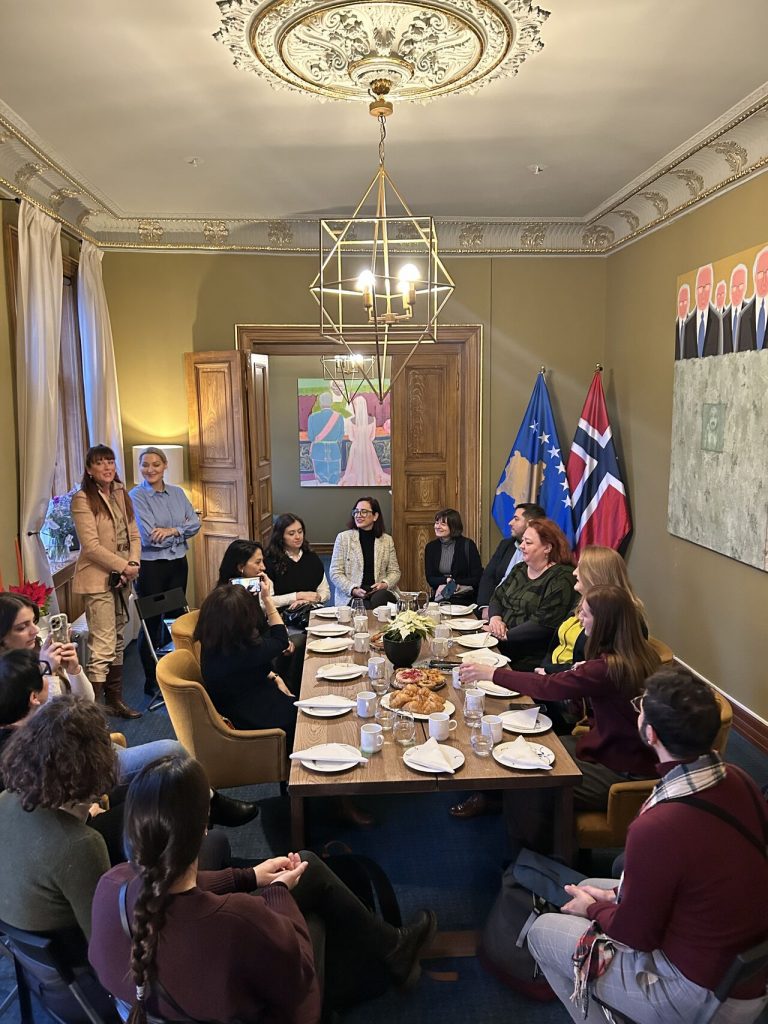
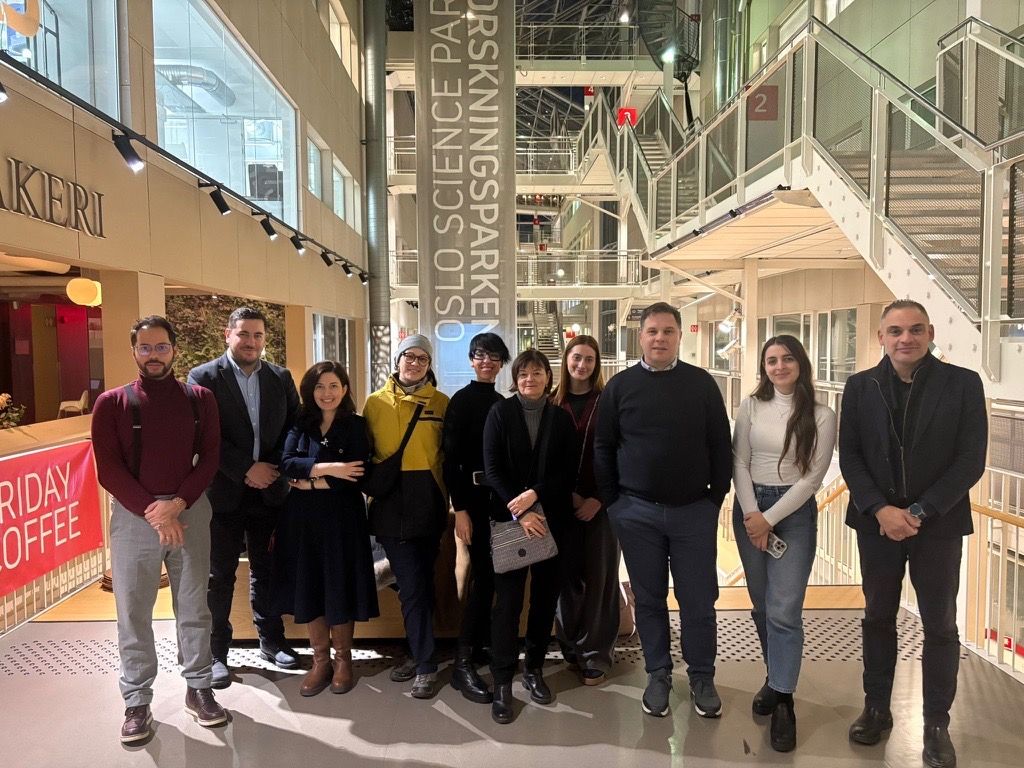
In December 2025, 21 youth workers from seven countries travelled to Oslo for a three-day study visit hosted by YYOUTH. The goal was to explore one of Europe's most egalitarian entrepreneurship ecosystems and bring back practical insights to support young women entrepreneurs.
A Focus on Mentoring and Innovation
The visit took place on 3, 4 and 5 December 2025. Participants came from partner organisations across the Western Balkans and beyond. The programme focused on three main areas:
- Advanced mentoring and coaching techniques for young women
- Visiting innovation hubs and startup incubators in Oslo
- Peer-to-peer knowledge exchange among the seven partner countries
The aim was simple: introduce youth workers to the Norwegian approach and help them apply those lessons to their local support points back home.
Hands-On Work with Young Entrepreneurs
The first day of the study visit was particularly practical. It took place at Charge Incubator, located inside Evolve Coworking Space. The session was designed to create space for open dialogue, reflection, and real learning.
Young entrepreneurs presented their business ideas to the group. Then, youth workers and entrepreneurs worked together to develop their Business Model Canvases. Through structured discussions, they analysed key elements such as:
- Value propositions
- Target groups
- Revenue streams
- Partnerships
- Cost structures
This was not a theoretical exercise. It was direct, hands-on collaboration.
Exploring Barriers and Opportunities
Together, the group explored the main barriers and opportunities related to each business idea. Topics included:
- Access to funding
- Market entry strategies
- Sustainability
- Personal and structural challenges
These issues were approached from multiple perspectives: youth work, entrepreneurship support, and different national ecosystems. This mix of viewpoints made the discussions rich and useful for everyone involved.
Concrete Feedback for Entrepreneurs, New Skills for Youth Workers
The young entrepreneurs received concrete feedback and fresh perspectives on their ideas. For many, this was a valuable opportunity to test their thinking with experienced professionals from across Europe.
At the same time, the youth workers strengthened their understanding of real-life entrepreneurial challenges faced by young founders. This was especially important for learning how to support young women with fewer opportunities, who often face additional barriers.
Building Bridges Between Youth Work and Entrepreneurship
The session clearly reflected the core mission of Leaders for Future: building bridges between youth work and entrepreneurship support. The goal is to create more inclusive and effective pathways for young women in business.
By seeing how Norway supports its entrepreneurs, the visiting youth workers returned home with new ideas, practical tools, and stronger networks. These insights will now be integrated into local support points across the Western Balkans and beyond.
What Comes Next
The study visit was not an end point. It was a starting point. The knowledge gained in Oslo will help shape better mentoring, more relevant training, and stronger support systems for young women entrepreneurs in all partner countries.