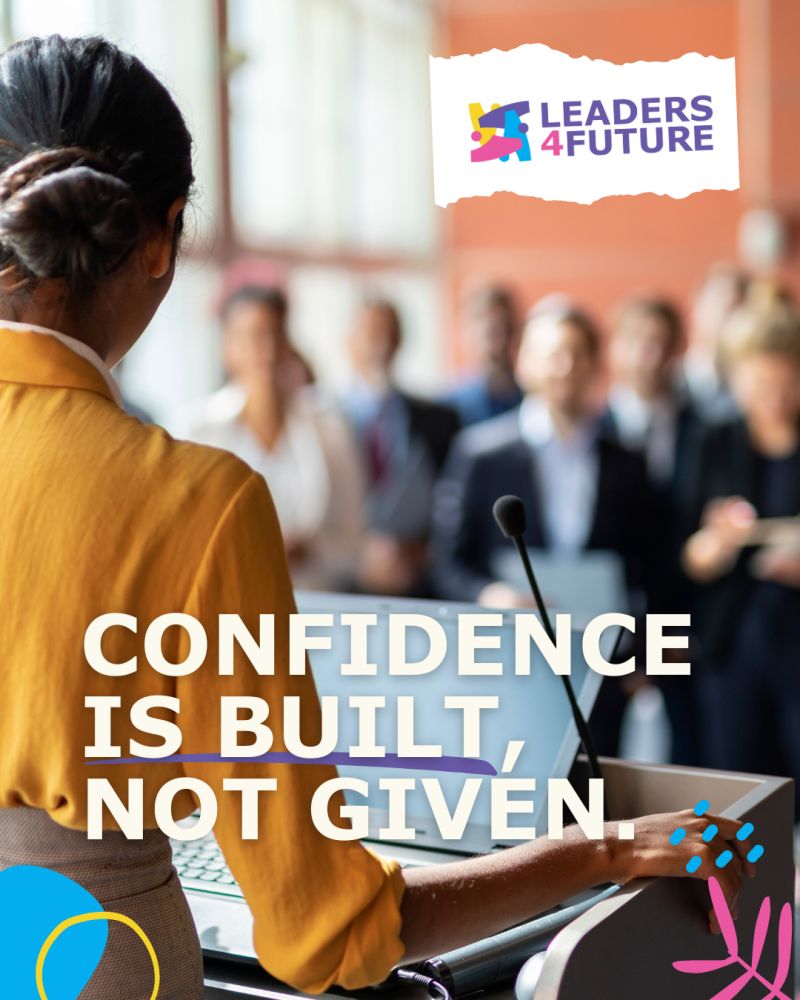
March 2026: Online Course for Youth Workers: Supporting Young Women Entrepreneurs in the Balkans
A free, practical training course designed to help youth workers empower young women in Albania, Bosnia and Herzegovina, Kosovo, Montenegro, and beyond.
Why This Course?
Youth workers across the Western Balkans face a common challenge: how to support young women who want to start their own business but lack the skills, confidence, or guidance.
Traditional training often focuses only on business plans and numbers. But young women need more than that. They need practical tools, real-life examples, and emotional support to build both their business and their belief in themselves.
That is why the Leaders for Future project created a free online course specifically for youth workers.
What Is the Course About?
The course helps youth workers develop the skills they need to mentor and train young women entrepreneurs. It covers:
- How to teach entrepreneurial skills using simple, non-formal learning methods
- How to build confidence and resilience in young women
- How to support young women with fewer opportunities in rural or underserved areas
The training materials are designed with a gender perspective, recognising that young women face specific barriers when starting a business. The course gives youth workers practical ways to address those barriers.
The Methodology: Two European Frameworks
The course is built on two well-known European competence frameworks developed by the Joint Research Centre (JRC):
🔹 EntreComp – The European Entrepreneurship Competence Framework. It helps learners turn ideas into action, spot opportunities, and manage resources.
🔹 LifeComp – The European Framework for Personal, Social and Learning to Learn Competence. It focuses on resilience, self-awareness, communication, and coping with change.
Together, these two frameworks ensure that youth workers learn how to support both the practical side of starting a business (EntreComp) and the personal side of staying motivated and overcoming challenges (LifeComp).
Non-Formal Learning: A Flexible Approach
The course uses non-formal learning methods. This means:
- No rigid curricula or long lectures
- Practical activities and real-life examples
- Learning that adapts to the needs of each young woman
Youth workers can apply what they learn immediately in their daily work. The focus is on doing, not just reading.
What You Get
✅ Free access to all training materials
✅ A certificate upon completion
✅ Practical tools you can use right away
✅ A gender-sensitive approach tailored to the Western Balkans context
Who Is This For?
This course is designed for:
- Youth workers and youth organisations in the Western Balkans and beyond
- Trainers and educators working with young women
- Mentors and coaches supporting female entrepreneurs
- Anyone who wants to help young women start and grow a business
How to Access the Course
The online course is available now on the Leaders for Future website.
👉 Visit: https://leaders4future.eu/project-results/online-course/
It is free, easy to follow, and available in multiple languages.