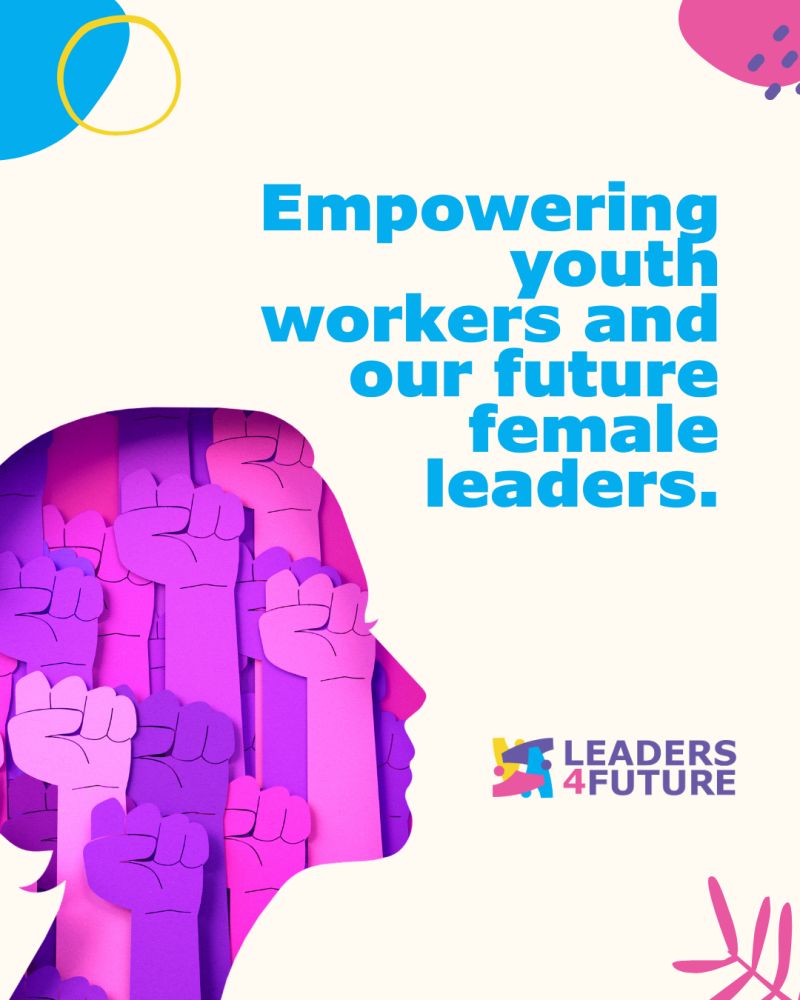
April 2026 - Capacity Building for Youth Workers: Upcoming Event in Greece
On 13, 14 and 15 May 2026, youth workers from seven countries will gather in Athens, Greece, for a three-day capacity building mobility. The event is organised by the Leaders for Future project.
Strengthening the Support Ecosystem
By empowering youth workers with new knowledge, skills, and tools, the project is strengthening the wider ecosystem that supports young women in entrepreneurship. Youth workers need continuous capacity building to enhance their impact on youth empowerment, entrepreneurship, and social development. This means strengthening training programmes, expanding reach, fostering strategic partnerships, and sharing knowledge across borders.
From Blended Learning to Hands-On Practice
The mobility follows the completion of the project's blended learning course. Participants have already completed both online and in-person training. Now, they will come together in Greece to put that learning into practice.
A total of 21 youth workers from partner organisations across Spain, Greece, Norway, Kosovo, Albania, Montenegro, and Bosnia and Herzegovina will attend the event.
What Will Happen During the Three Days?
The programme is designed to be practical and interactive. Activities include:
- Training on tailored support services – learning how to adapt guidance to the individual needs of young women
- Role-playing and simulations – practising how to provide support and guidance to young women who want to become entrepreneurs
- Field visits to successful initiatives – seeing real examples of entrepreneurship support in action
- Training on gender sensitivity – understanding how to address the specific barriers young women face
These hands-on sessions are intended to strengthen the ability of youth workers to support young women effectively, with a strong focus on practical guidance and inclusive approaches.
Why This Matters
Youth workers play a critical role in helping young women turn their ideas into real businesses. But they need more than just theory. They need opportunities to practise, to learn from each other, and to see what works in different contexts.
This mobility in Greece provides exactly that. By the end of the three days, participants will return to their home organisations with new skills, fresh ideas, and stronger networks.
Looking Ahead
The Leaders for Future project continues to build capacity across the Western Balkans and beyond. Events like this one help create a more supportive environment for young women entrepreneurs, ensuring they have access to mentors, resources, and networks that understand their needs.