
Study Visit In Norway
Exploring the Nordic Innovation Ecosystem: Leaders4Future Study Visit in Oslo
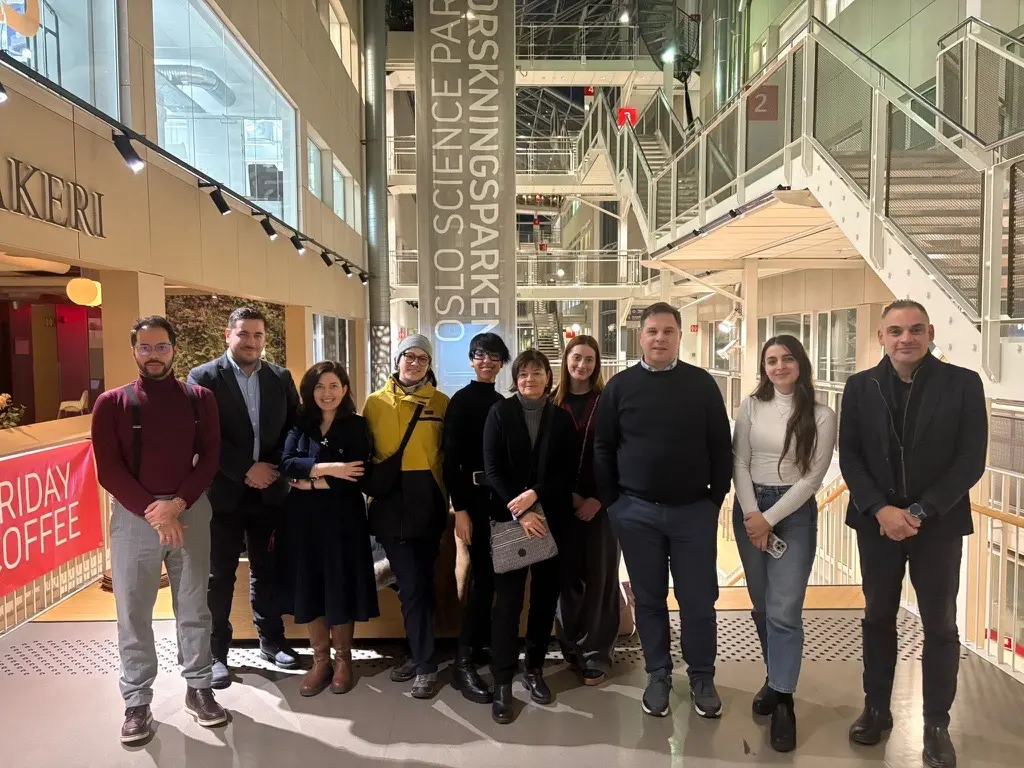
From the 2nd to the 5th of December 2025, the Leaders4Future consortium met in Oslo, for an intensive Study Visit. Hosted by our Norwegian partner, YYOUTH, this mobility immersed our partnership in one of Europe’s most dynamic entrepreneurial ecosystems, offering profound insights into innovation, social integration, and women’s economic empowerment.
Our Objectives
The primary goal of the study visit was to build the capacity of our consortium’s youth workers and educators by directly exposing them to successful entrepreneurial practices and support structures. We aimed to facilitate cross-border knowledge transfer, foster high-level networking, and gather strategic lessons that can be adapted and applied in Southern Europe and the Western Balkans.
The Participants
The mobility engaged a diverse delegation of 21 participants, comprising three representatives from each of our seven partner organisations across Spain, Greece, Albania, Kosovo, Bosnia and Herzegovina, Montenegro, and Norway. The group included youth workers, mentors, non-formal educators, and directors of youth organisations.
The Visit
The immersive three-day agenda combined hands-on workshops, high-level dialogues, and ecosystem exploration:
- Fostering Innovation through an Ideathon: Hosted by Charge Incubator at Evolve Coworking, participants engaged in a dynamic Ideathon. Young entrepreneurs pitched their ideas, and our youth workers collaborated in teams to develop Business Model Canvases for socially impactful concepts, such as a platform for immigrant social integration.
- Navigating the “Trust Economy”: Through meet-and-exchange sessions with young female founders at Mesh Youngstorget, participants explored the unique challenges of the Norwegian business culture. The discussions highlighted the realities of operating in a “Trust Economy,” where breaking into established networks is a significant hurdle, particularly for non-native entrepreneurs.
- High-Level Policy Dialogue: The delegation was welcomed at the Embassy of the Republic of Kosovo for a strategic discussion with H.E. Ambassador Dr. Nita Luci and ecosystem leaders. The dialogue tackled structural barriers like the “double burden” for women and the “grant entrepreneur trap,” while exploring concepts like leveraging the diaspora for “Brain Gain”.
- Ecosystem Exploration at Oslo Science Park: The group visited the beating heart of Norway’s innovation district, including StartupLab, a leading tech incubator. Participants experienced the park’s philosophy of “casual collision” during networking events, learning how to bridge the gap between academia, research, and commercial enterprise.
Key Themes Explored
Throughout the visit, several critical themes emerged that will shape our future support points:
- Transitioning startups from a reliance on non-profit grants to sustainable, commercial investment models.
- The necessity of building an “Investor Sisterhood” to counter male-dominated financial ecosystems and help women back other women.
- The importance of addressing both the structural bias against women and the internalised barriers that hinder collaboration.
Looking Ahead: Bringing the “Norwegian Lessons” Home
Moving forward, our 21 trained youth workers will act as multipliers, bringing these “Norwegian Lessons” back to their local communities through workshops and the upcoming Leaders4Future Support Points.