
Focus Groups
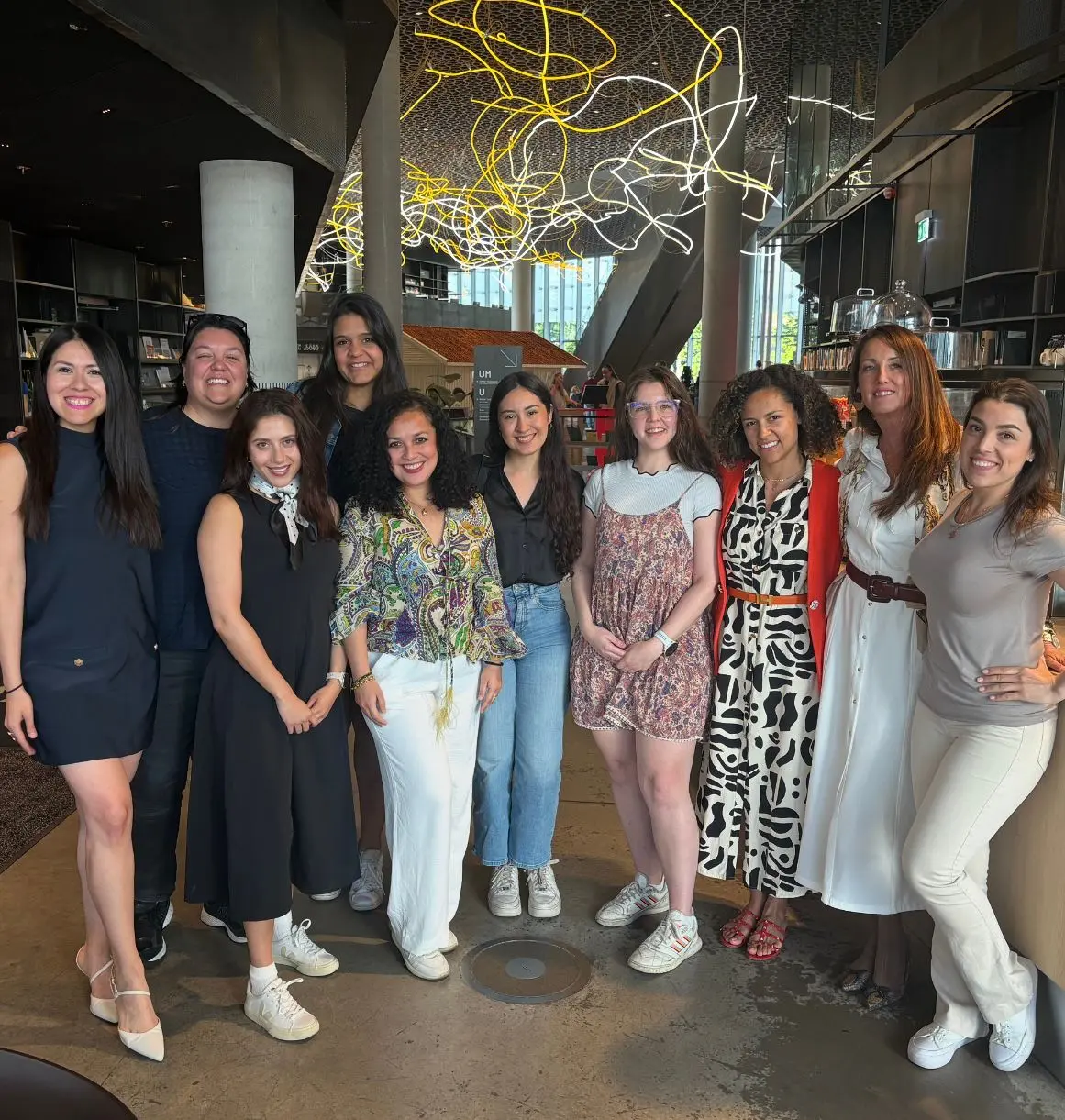
The Leaders4Future consortium successfully hosted a series of dynamic Focus Group sessions across our seven partner countries: Norway, Albania, Greece, Spain, Bosnia and Herzegovina, Montenegro, and Kosovo. This core activity was designed to identify the real-world psychological and skill-based obstacles that young women encounter when contemplating entrepreneurship.
Our Objectives
The primary goal of these sessions was to deepen our understanding of the specific needs, challenges, and barriers hindering young women from launching their own businesses. Furthermore, the focus groups served as a vital hands-on platform to pilot the project’s newly developed Self-Assessment Tool. By testing the tool directly with its intended users, we gathered crucial feedback to ensure it is clear, relevant, and culturally adaptable before its final public release.
The Participants
We engaged a total of 70 young women (10 per country), aged between 18 and 30. To ensure a rich, inclusive, and highly representative dialogue, the selection process strongly prioritised diversity. The groups brought together women with varying levels of entrepreneurial experience alongside individuals from priority backgrounds, including first-generation entrepreneurs, women from rural areas, NEETs and those with migrant backgrounds or disabilities.
Each two-hour session was carefully designed to provide a safe and collaborative space, unfolding in three main phases:
- Tool Piloting: Participants individually completed the Self-Assessment Tool and provided direct feedback on its usability and relevance.
- Open-Ended Discussion: Using storytelling techniques and a semi-structured format, facilitators guided an interactive conversation that encouraged participants to share their personal narratives and real-life experiences.
- Reflection: A final wrap-up allowed participants to share closing thoughts and evaluate the overall session.
The engaging roundtable discussions allowed the young women to voice their concerns and needs across several critical topics:
- Gender, cultural challenges, and societal expectations.
- Access to the entrepreneurial ecosystem, funding, and support institutions.
- The profound need for emotional support, community belonging, and inspiring female role models.
- Practical and structural hurdles, such as navigating bureaucracy, marketing, and language barriers.
These focus groups are the foundation of our upcoming actions. The invaluable, qualitative insights gathered from these 70 young women have been synthesised into our comprehensive “Breaking Barriers” Report. Most importantly, their voices and specific needs will directly shape the practical training materials, workshops, and mentoring programmes that Leaders4Future will deploy in the coming months ensuring that our support mechanisms are genuinely grounded in their real-world experiences.
Haz lo mismo para la Study visit in Norway. Que se abra una página, poner este texto y añades alguna fotografía. He puesto algunas fotografías en una carpeta para que elijas la/s que mejor queden.