
Blended Course For Youth Workers
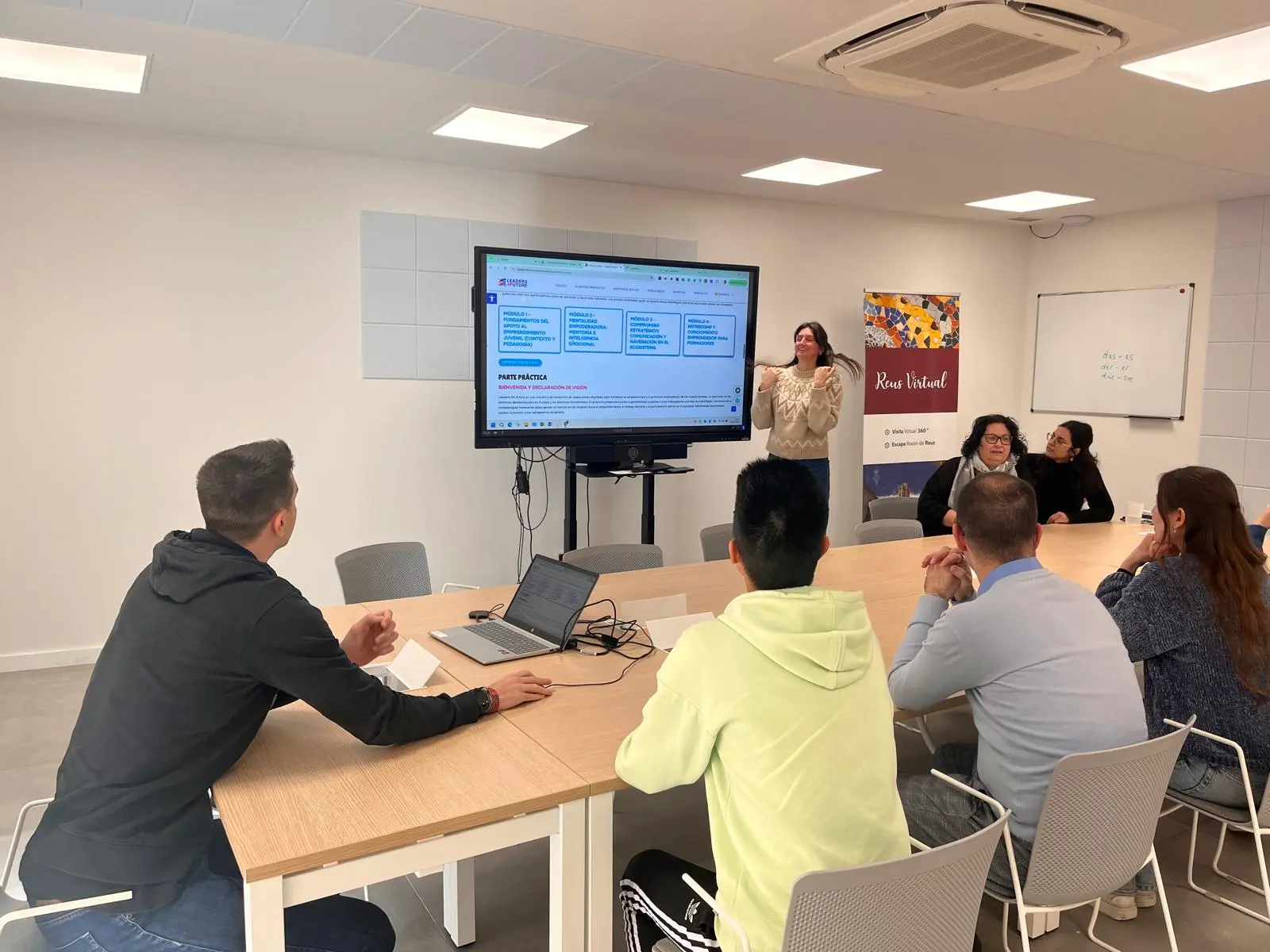
The Leaders4Future consortium recently achieved a major milestone by successfully implementing a comprehensive 30-hour Blended Course across all seven of our partner countries: Albania, Bosnia and Herzegovina, Greece, Kosovo, Montenegro, Norway, and Spain. This core activity was designed to transform the way youth organisations support and guide young women on their entrepreneurial journeys.
Our Objectives
The primary goal of this course was to build the capacity of youth workers, equipping them with both the pedagogical methodologies and the technical business knowledge necessary to effectively mentor young women. Furthermore, this course served as the official piloting phase for our newly developed Training Materials, allowing us to gather direct, real-world feedback from the professionals who will use them in the field.
The Participants
We engaged a highly motivated cohort of 73 participants. The group comprised youth workers, NGO project officers, non-formal educators, and community mentors. To ensure our methodologies are truly inclusive, the recruitment strategy successfully engaged professionals who either belong to groups with fewer opportunities themselves or work directly with marginalised communities, including those from rural and geographically isolated areas. Demonstrating outstanding commitment, 97.3% of the enrolled participants successfully completed the rigorous 30-hour programme.
The Course
To accommodate the busy schedules of working professionals and remove geographical barriers, the course utilised a highly flexible, hybrid learning methodology:
- Asynchronous Self-Study: Participants accessed our custom-built digital Open Educational Resource (OER) platform, allowing them to engage with mobile-friendly modules at their own pace.
- Synchronous Live Sessions: The self-study was complemented by live, interactive sessions (both face-to-face and online) dedicated to high-value peer exchange, practical case-study discussions, and community building.
- A Dual-Track Curriculum: The training bridged theory and practice, offering modules on mentoring techniques and emotional intelligence for youth workers, alongside “ready-to-use” practical materials for young women covering topics like financial literacy and digital business.
Key Themes Explored
Throughout the training, participants engaged with critical concepts designed to shift their support strategies from giving informal advice to providing structured, psychological empowerment. Key themes included:
- Understanding the “dual barriers” facing young women, specifically how to address internalised psychological hurdles (like fear of failure and the confidence gap) alongside systemic and cultural barriers.
- Mastering the European EntreComp and LifeComp frameworks to systematically identify skill gaps and foster resilience.
- Practising structured coaching methodologies, such as the GROW model, and learning how to facilitate technical business tools like the Business Model Canvas and SMART goal setting.
Looking Ahead: Shaping Future Support
The piloting phase was a success, with participants reporting a profound upward shift in their professional confidence and mentoring readiness. Crucially, the constructive feedback gathered during this course is currently being used to fine-tune and simplify our training resources before their final, open-access public release.
Armed with these newly validated tools and methodologies, our trained youth workers are now fully prepared for the next step: establishing permanent local “Support Points” to directly mentor and empower aspiring young women entrepreneurs in their own communities.